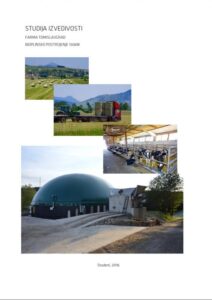
Construction of a Biogas Plant at Tomislavgrad Farm d.o.o.
Tomislavgrad Farm d.o.o. continues to be one of the larger and more modern dairy farms in Bosnia and Herzegovina, with an annual production of over 5.3 million liters of extra-class milk.
In March 2023, construction began on a biogas plant, through which Tomislavgrad Farm will establish a circular production process while preserving the environment — both for its own benefit and for the benefit of the wider community in surrounding municipalities. The biogas plant, together with its supporting infrastructure, will manage generated waste (manure, slurry, and liquid manure), produce electrical and thermal energy, and at the same time significantly improve environmental protection.
In addition to reducing dependence on fossil fuels, biogas production also contributes to waste recycling. Without this type of processing, such waste would ultimately end up in landfills, posing a threat to the environment, particularly to groundwater and air quality. Biogas is produced from organic matter through a four-stage process in so-called biogas digesters.
The project “Construction of a Biogas Plant at Tomislavgrad Farm” is part of a broader initiative — the Biogas Plant at Tomislavgrad Farm — which began in 2018. Through this project, the successful cooperation between Tomislavgrad Farm d.o.o. and the Environmental Protection Fund of the Federation of Bosnia and Herzegovina has continued.
The total value of this project amounted to BAM 515,540.93, of which the Fund co-financed BAM 220,000.00, while the remaining BAM 295,540.93 was financed from the farm’s own resources.
The specific objectives of the project were:
– Sustainable waste management, including prevention of waste generation and reduction of new waste quantities at Tomislavgrad Farm
– Addressing existing shortcomings — particularly inadequate management of manure and farm by-products
– Protection of the Šujica River (all technological wastewater generated at the farm will be treated through this system)
– Creating additional preconditions for rural development and contributing to regional development
The project included the following activities:
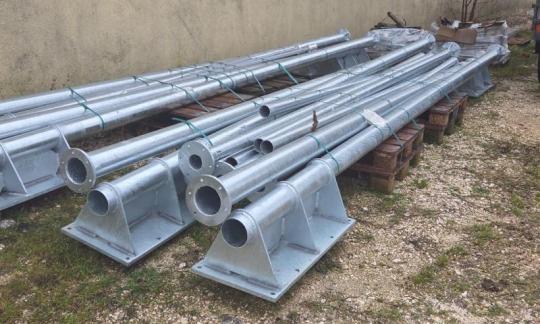
– Installation of a gas flare
– Procurement of a gas blower
– Insulation works (PVC)
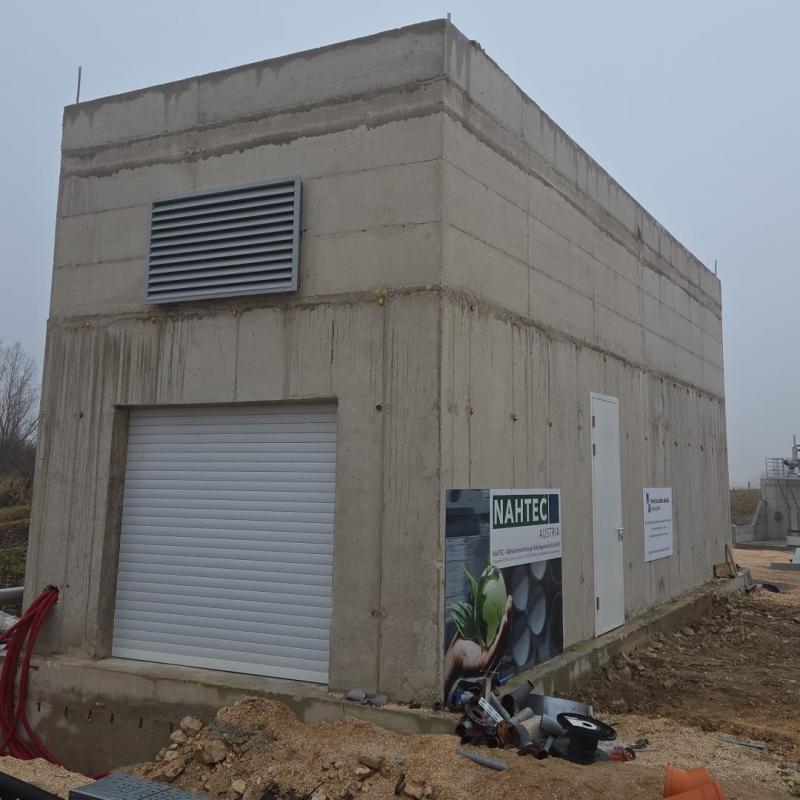
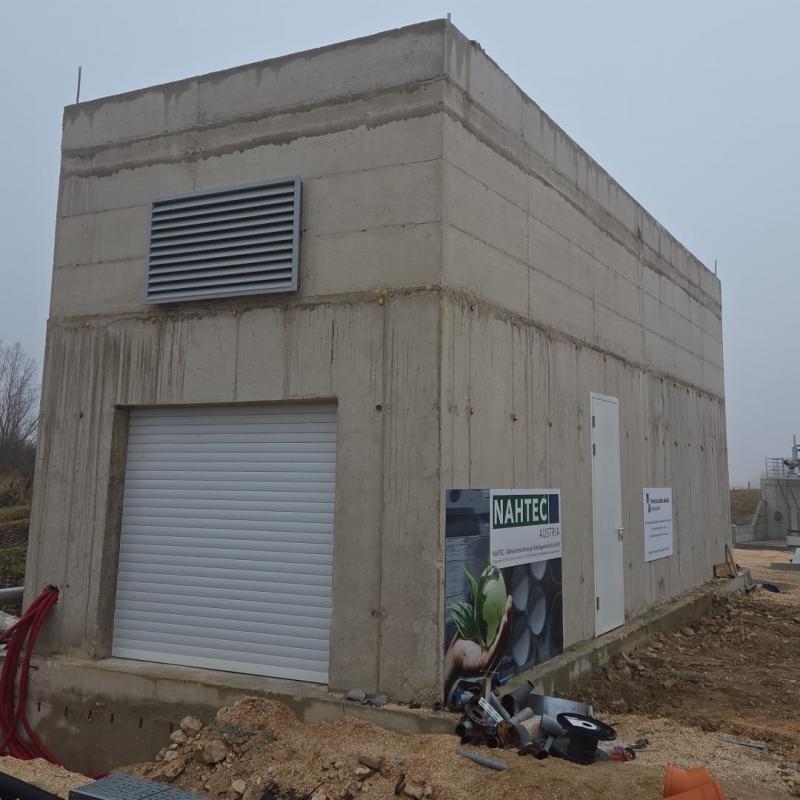
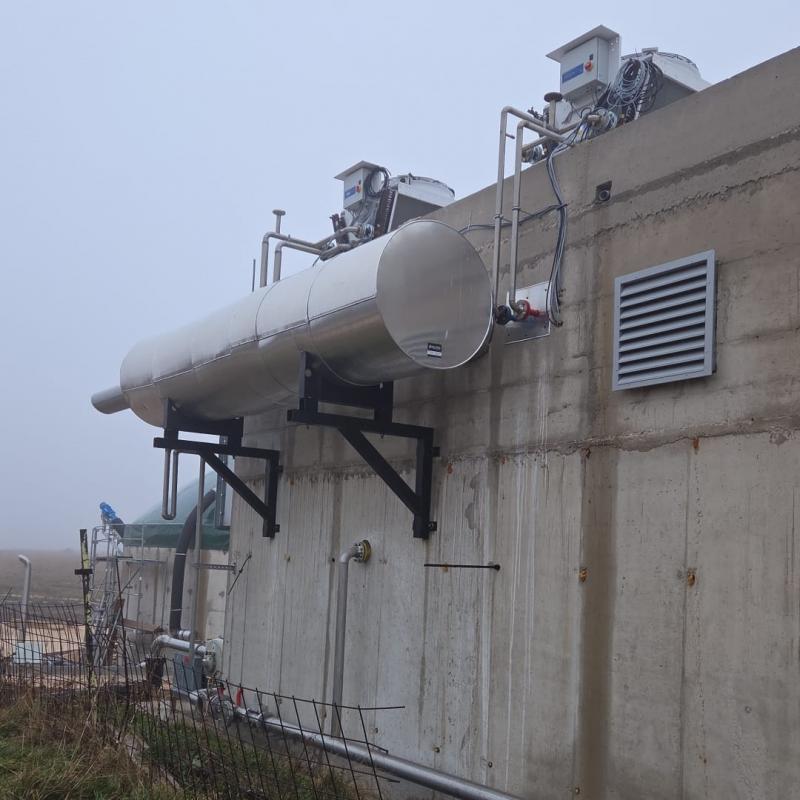
– Construction works (hydrant network installation, trench excavation for hydrant and water pipes, mechanical demolition using a hydraulic hammer, roof waterproofing of the CHP unit, thermal insulation of external and underground walls, procurement and installation of hydrant system equipment)
– Electrical installation works
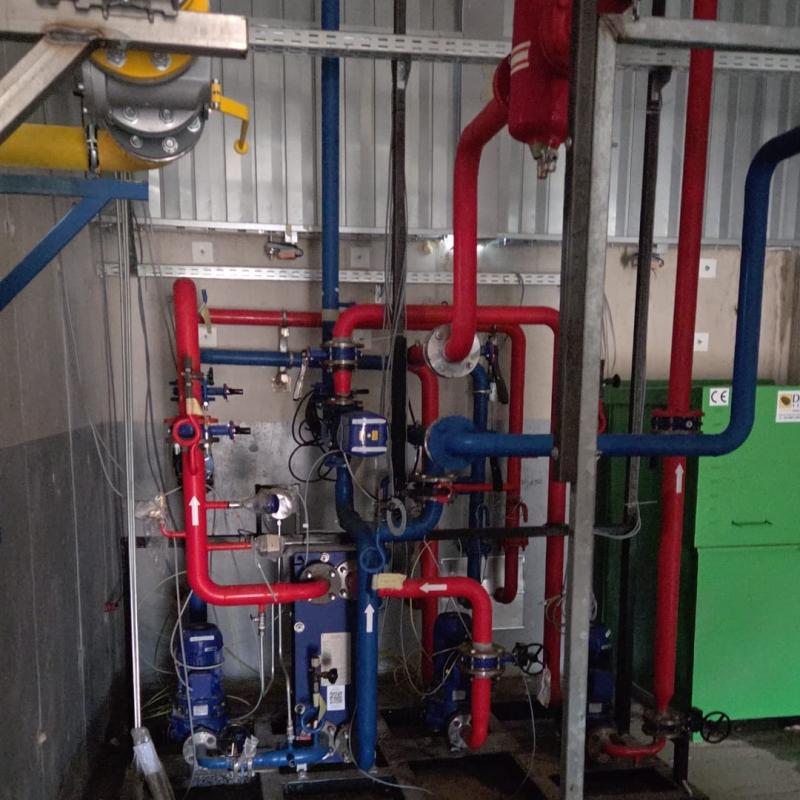
– Installation of CHP plant equipment and ventilation systems
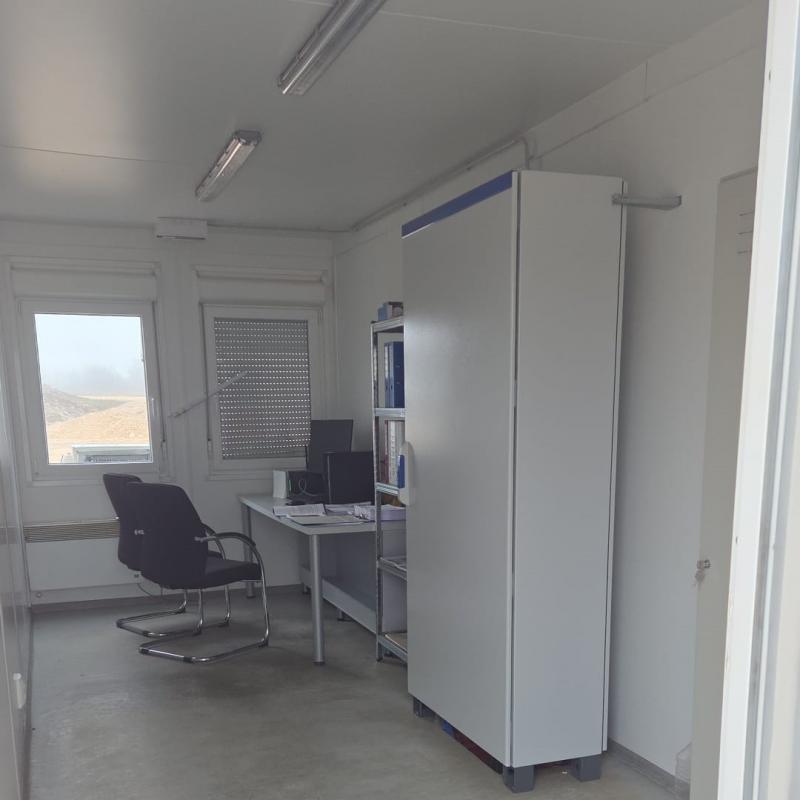
– Procurement of containers
With the completion of these activities, Phase II of the project has been finalized, enabling the project to proceed to Phase III — the final stage of biogas plant construction in the near future.